Investors searching for clear guidance on global etf evaluation want more than surface-level comparisons—they need a structured way to assess performance, risk exposure, cost efficiency, and long-term portfolio fit. With hundreds of global ETFs spanning regions, sectors, and asset classes, choosing the right fund can feel overwhelming and time-sensitive.
This article is designed to simplify that process. We break down the essential metrics that matter most—expense ratios, tracking error, liquidity, underlying index methodology, geographic allocation, and macroeconomic exposure—so you can make confident, data-driven decisions. Whether you’re diversifying internationally for the first time or refining an existing strategy, you’ll find practical insights tailored to real-world investment goals.
Our analysis draws on current market data, established financial frameworks, and globally recognized portfolio management principles. The result is a clear, disciplined approach to evaluating global ETFs in today’s fast-moving economic environment.
A Strategic Framework for Global ETF Selection
Back in 2020, when markets whipsawed for months, investors learned that international exposure is not the same as diversification. Since then, global allocations have surged, yet confusion remains.
First, clarify scope: an exchange-traded fund (ETF) is a basket of securities trading like a stock. However, look beyond past returns. Examine currency risk (how exchange rates affect returns), regional stability, sector concentration, and total expense ratios.
Next, apply a disciplined global etf evaluation checklist: liquidity, tracking error, underlying index methodology, and geopolitical sensitivity.
Finally, revisit assumptions annually—because what worked years ago may not tomorrow.
Beyond the Ticker: Core Metrics for Fundamental ETF Analysis
When investors compare ETFs, the ticker symbol is just the trailer. The real story lives in the numbers.
Total Expense Ratio (TER) is the annual fee charged as a percentage of assets. It includes management fees, administrative costs, and operational expenses. A TER of 0.10% versus 0.60% may look trivial, but over 20 years, compounding makes that gap significant (a 0.50% annual drag can reduce ending wealth by thousands on a six‑figure portfolio, per Vanguard cost studies). U.S.-domiciled ETFs often feature ultra-low TERs due to scale, while European UCITS ETFs may be slightly higher but offer cross-border tax advantages. Asian-domiciled ETFs sometimes carry higher costs due to smaller asset bases.
Next, distinguish tracking difference from tracking error. Tracking difference is the actual performance gap between ETF and index over time. Tracking error measures the volatility of that gap. For example, if an S&P 500 ETF lags its index by 0.15% annually with minimal deviation, that’s efficient replication. Large, inconsistent gaps? That’s a red flag. Pro tip: compare the ETF’s annualized return directly against its benchmark for at least three years.
Liquidity also matters. Check average daily volume and the bid-ask spread (the gap between buying and selling prices). Thinly traded international ETFs can have wider spreads, quietly increasing costs. Always place limit orders to control execution price.
Finally, consider fund domicile. Irish-domiciled ETFs, for instance, may reduce U.S. dividend withholding tax from 30% to 15% for non-U.S. investors under tax treaties. That’s not trivial income leakage.
In any global etf evaluation, blend cost, replication quality, liquidity, and tax efficiency before you buy (think Moneyball, but for markets).
Decoding Geographic and Macroeconomic Risk Factors
Investing globally can unlock diversification, growth, and resilience—but only if you understand the risks beneath the surface. A smart global etf evaluation helps you turn uncertainty into opportunity.
1. Currency Exposure: The Unseen Risk
A currency-hedged ETF uses financial instruments to reduce the impact of exchange rate swings. An unhedged ETF does not—meaning returns fluctuate with currency movements.
For example, imagine you invest in a European equity ETF. The stocks rise 8%, but the U.S. dollar strengthens 10% against the euro. Your gain can effectively disappear once converted back to dollars (yes, even when the companies performed well). According to Vanguard research, currency movements can meaningfully impact short-term international returns.
Benefit: Understanding this helps you decide whether you want pure market exposure—or market plus currency speculation.
2. Geopolitical and Regulatory Stability
Before investing, review this checklist:
- Trade policies and tariffs
- Sanctions or diplomatic tensions
- Regulatory shifts affecting key industries
- Election cycles and policy uncertainty
These factors influence everything from supply chains to corporate profits. Pro tip: Stable regulatory regimes often correlate with lower volatility over time (World Bank governance indicators support this).
3. Analyzing Regional Economic Trends
Look beyond labels like “Asia” or “Europe.” Southeast Asia benefits from demographic tailwinds—a young workforce driving consumption. Meanwhile, parts of Europe emphasize advanced manufacturing and green technology. Identifying these drivers positions you for structural growth.
4. Market Access and Time Zones
Foreign-listed ETFs may trade while you sleep. Information gaps can cause price swings before U.S. markets open. Knowing trading hours improves timing and liquidity decisions.
Master these factors, and you gain clarity, confidence, and stronger long-term positioning.
The Underlying Holdings: A Look Beneath the Hood
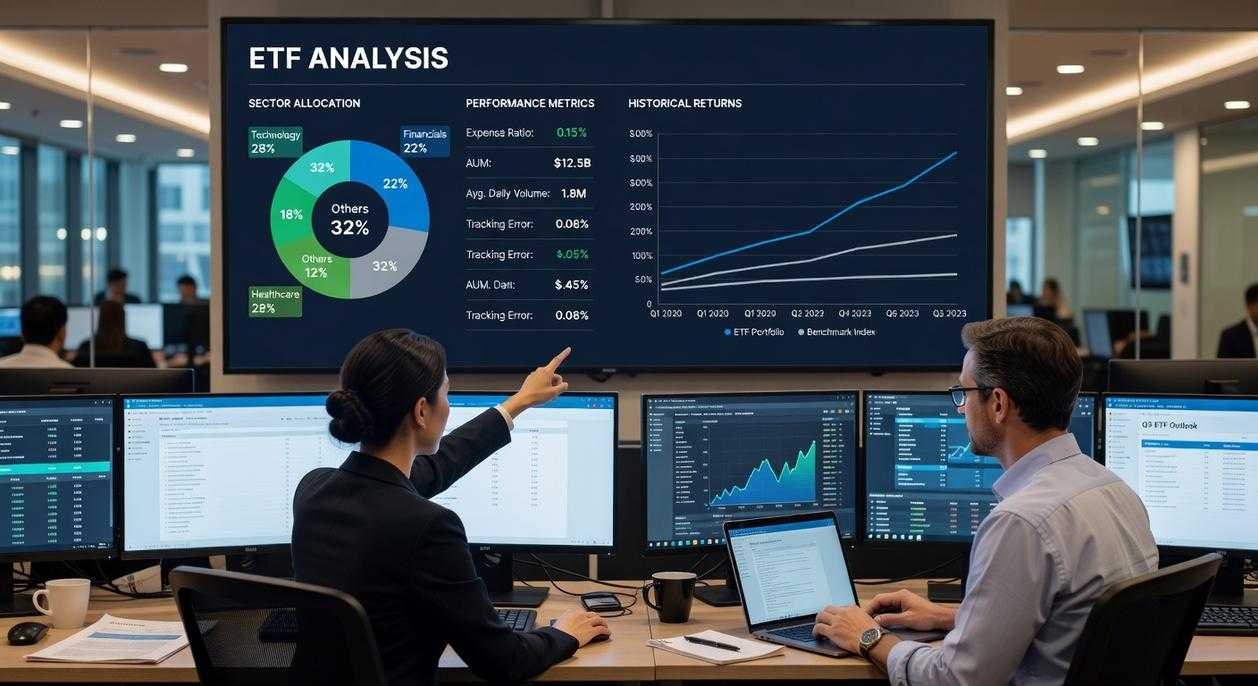
I once bought a country ETF thinking I was diversified—only to learn its top holding made up nearly 35% of the fund. One earnings miss, and the entire ETF dipped. That’s concentration risk (when too much of a fund depends on one company or sector). Always scan the top 10 holdings. If a “broad” ETF is dominated by a single state-owned bank or tech giant, you’re not diversified—you’re making a disguised bet.
Next, check the replication strategy. Physical ETFs hold the actual stocks or bonds in the index. Synthetic ETFs use derivatives like swaps to mimic performance. They can track hard-to-access markets efficiently, but they introduce counterparty risk—the chance the financial institution on the other side fails (rare, but not impossible; see Lehman Brothers, 2008, per Federal Reserve reports).
Then there’s securities lending. This is when a fund lends its holdings to institutions for a fee, boosting returns slightly. Sounds great—until collateral falls short in volatile markets.
- Review top holdings
- Confirm replication type
- Check lending disclosures
Finally, study the index methodology. Market-cap-weighted indices favor giants; equal-weighted spreads exposure evenly. That difference shapes performance dramatically. A proper global etf evaluation always looks under the hood.
For broader allocation strategy, see how to build a diversified international portfolio.
Integrating Global ETFs into Your Financial Plan
Defining your allocation goal means deciding what problem a worldwide ETF should solve—perhaps tapping emerging market consumers or reducing home-country bias. A core vs. satellite strategy positions broad, low-cost global funds at the center, with niche, country-specific ETFs orbiting tactically.
I admit the right mix isn’t always obvious; correlations shift, and forecasts fail. That’s why global etf evaluation should focus on costs, liquidity, and mandate clarity.
- Align holdings with long-term risk tolerance and goals, not market buzz (yes, even when headlines scream).
Patience often beats prediction in global markets. Over time.
Start with an anecdote about checking my first overseas ETF during a market dip; I felt confident until currency swings erased my gains. That moment pushed me from passive picker to deliberate strategist. Since then, I use a layered checklist: fundamentals (earnings growth, expense ratios), macro signals (inflation trends, rate cycles), and deep holdings analysis (sector weights, geographic exposure). Some argue global markets are too complex to model. I disagree. Complexity becomes opportunity when structured. Think Moneyball for investing. Apply this global etf evaluation to one fund today and refine your diversification with intention. Start small, but start now. Consistently.
Position Yourself for Smarter Global Allocation
You set out to better understand how international markets, sector rotations, and cross-border capital flows influence smarter portfolio decisions. Now you have a clearer view of how strategic diversification, disciplined research, and global etf evaluation can strengthen your long-term investment approach.
Ignoring global exposure can leave your portfolio concentrated, vulnerable, and overly tied to a single economy’s cycles. The real risk isn’t volatility — it’s being unprepared. By applying structured analysis and focusing on cost efficiency, liquidity, and macro trends, you position yourself to capture worldwide growth while managing downside risk.
The next step is simple: review your current allocations, identify gaps in international exposure, and apply a disciplined global etf evaluation framework before making your next move.
If you want clearer market insights, data-driven global strategy breakdowns, and actionable guidance trusted by serious investors, explore our latest market intelligence now and start building a portfolio designed for global performance.

 Ask Maritza Wigginsams how they got into global investment strategies and you'll probably get a longer answer than you expected. The short version: Maritza started doing it, got genuinely hooked, and at some point realized they had accumulated enough hard-won knowledge that it would be a waste not to share it. So they started writing.
What makes Maritza worth reading is that they skips the obvious stuff. Nobody needs another surface-level take on Global Investment Strategies, FT-Focused Economic Trends, Finance Planning Techniques. What readers actually want is the nuance — the part that only becomes clear after you've made a few mistakes and figured out why. That's the territory Maritza operates in. The writing is direct, occasionally blunt, and always built around what's actually true rather than what sounds good in an article. They has little patience for filler, which means they's pieces tend to be denser with real information than the average post on the same subject.
Maritza doesn't write to impress anyone. They writes because they has things to say that they genuinely thinks people should hear. That motivation — basic as it sounds — produces something noticeably different from content written for clicks or word count. Readers pick up on it. The comments on Maritza's work tend to reflect that.
Ask Maritza Wigginsams how they got into global investment strategies and you'll probably get a longer answer than you expected. The short version: Maritza started doing it, got genuinely hooked, and at some point realized they had accumulated enough hard-won knowledge that it would be a waste not to share it. So they started writing.
What makes Maritza worth reading is that they skips the obvious stuff. Nobody needs another surface-level take on Global Investment Strategies, FT-Focused Economic Trends, Finance Planning Techniques. What readers actually want is the nuance — the part that only becomes clear after you've made a few mistakes and figured out why. That's the territory Maritza operates in. The writing is direct, occasionally blunt, and always built around what's actually true rather than what sounds good in an article. They has little patience for filler, which means they's pieces tend to be denser with real information than the average post on the same subject.
Maritza doesn't write to impress anyone. They writes because they has things to say that they genuinely thinks people should hear. That motivation — basic as it sounds — produces something noticeably different from content written for clicks or word count. Readers pick up on it. The comments on Maritza's work tend to reflect that.