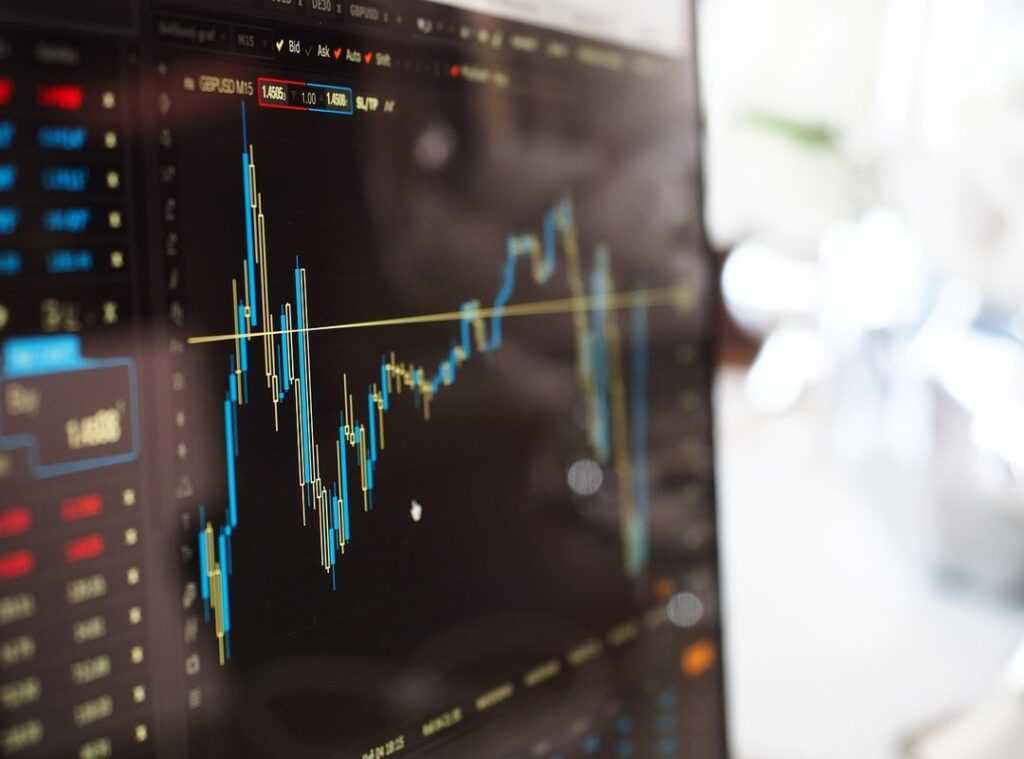

Ever checked crypto prices only to find a sea of red or green and wondered, “What just happened?” You’re not alone. The cryptocurrency market fluctuations can feel like a wild ride, and it’s easy to get lost in the noise.
I get it. We all want to move past the confusing daily news and understand the real forces at play. This article promises to do just that.
We’ll dig into the true drivers (from) global economic shifts to core tech updates (that) matter beyond the short-term hype.
Think of this as your guide to analyzing like a seasoned investor. You’ll feel more in control, less reactive. And don’t worry, I’ll keep it simple and jargon-free.
By the end, you’ll know exactly what key factors to watch.
The Big Picture: Crypto’s Dance With Global Economics
Cryptocurrencies don’t float around independently. They’re tightly tethered to traditional finance. Think of the global economy as the ocean.
When the tide (money supply) rises, it elevates everything, including crypto. And when it falls, well, you get the idea.
Let’s dive into some key macroeconomic factors. First, interest rates. When rates are low, borrowing is cheap.
Investors get thirsty for riskier, high-return assets. Crypto fits the bill. But when those rates inch up, safer investments start luring money away from crypto.
Makes sense, right?
Inflation’s another biggie. Imagine Bitcoin as “digital gold.” People see it as a hedge against inflation, protecting their wealth when their currency’s buying power fizzles. So, when inflation spikes, crypto sees a surge in interest.
Now, let’s talk global events. Major geopolitical twists or economic instability can spook investors. They start to flee to or from crypto, causing wild swings.
Funny how imaginary coins can feel like a safety net sometimes.
If you’ve ever watched the news and then checked your crypto wallet, you know what I mean. It’s like watching a thriller.
In the world of cryptocurrency market fluctuations, these elements are like strings on a puppet. They pull and push, making the market dance in unpredictable ways. But here’s the kicker: understanding these factors can turn confusion into plan.
So why not use this knowledge to get through the volatility and come out ahead? After all, the crypto market is as much about timing as it is about tech.
In the end, whether you’re in it for the tech or the thrill, never forget: the ocean’s tide can lift you up or drag you down. But knowing when to ride the wave makes all the difference.
Inside the Space: Tech, Trends, and Hype Cycles
I’ve always thought the real action in crypto isn’t from the outside forces everyone blames. It’s the stuff happening within the space that really shakes things up. Ever heard of a ‘narrative’?
It’s a solid story that captures investor attention. Think about DeFi, NFTs, or AI coins. They grab the spotlight, draw in capital, and suddenly everyone’s talking about them.
Take technological upgrades, for instance. The Ethereum Merge is a prime example. When a major blockchain announces massive updates, it sends ripples through the market.
But what’s driving these stories?
Promises of better speed, lower fees, or new features boost confidence. Prices often follow (not always, but often). How does this not scream opportunity?
Then there’s the Bitcoin Halving. A pre-programmed event that cuts the new Bitcoin supply in half. Simple, right?
Yet, it’s a major bullish catalyst. Historically, it kicks off new market cycles. Less supply, same demand.
You do the math. It’s a trigger that gets everyone excited, including me.
Adoption news can’t be ignored either. When big names like Tesla or countries like El Salvador embrace crypto, it signals growing legitimacy. It attracts new money into the space.
Suddenly, what seemed like a risky bet becomes a mainstream move. This shift in perception is key for shaking up cryptocurrency market fluctuations.
Why do we obsess over outside factors when the real action is internal? Narratives, tech upgrades, halvings, and adoption are the real drivers. They steer the market in ways that outsiders can’t predict.
So, next time you’re pondering the market, ask yourself: What’s the story within the story? the real takeaways lie.
The Government Factor: Shaking the Market with Regulations
When we talk about cryptocurrency market fluctuations, it’s impossible to ignore the government’s role. Regulations are like a rollercoaster that can take the market soaring or send it crashing. And let’s be honest, nothing moves markets quite like regulatory news.

The market thrives on clarity. It really does. Even bad news isn’t as terrifying as uncertainty.
Does that seem odd? Maybe, but think about it: investors hate not knowing what’s next.
Here’s a good example. When the US and Hong Kong approved Bitcoin ETFs, it was like opening the floodgates. Suddenly, institutional and retail investors could dive in with ease, and naturally, prices surged.
Everyone loves a green light. On the flip side, there’s the dreaded crackdown. Remember when the SEC went after crypto exchanges or China’s notorious bans on mining?
Fear kicked in, investors bailed, and prices plummeted. It’s a predictable pattern.
The Global View
Now, take a look around the world. Different countries are playing this game differently. Europe’s MiCA system offers one approach, while the US seems to prefer regulation-by-enforcement.
This global patchwork creates both uncertainty and opportunity. It’s a space that keeps investors guessing and strategizing.
Pro tip: Keep an eye on these regulatory shifts. They’re a big part of why markets swing so wildly. Oh, and if you’re wondering how these changes might also impact global trade stock prices, it’s worth checking out more on the topic here.
There’s a ripple effect you won’t want to miss.
So, what’s next for regulations and the markets? Only time (and a few more government decisions) will tell. But one thing’s for sure: the market’s need for clarity isn’t going away anytime soon.
Your Tools for Spotting Market Shifts
Want to get ahead of cryptocurrency market fluctuations? There’s no magic crystal ball, but some tools are nearly as good. The Crypto Fear & Greed Index is a score from 0-100 that can help. Extreme fear?
Might be time to buy. Extreme greed? Maybe a sell-off’s brewing.
On-chain data also offers clues. Ever heard of Exchange Inflow/Outflow? Large amounts of crypto moving to exchanges can mean selling pressure.
Conversely, when crypto moves off exchanges, it suggests investors are gearing up to hold. These movements are like whispers from the blockchain, hinting at investor intentions.
Now, social sentiment is trickier but still key. Platforms like X (formerly known as Twitter) and Reddit are goldmines of raw emotion. People vent, hype, and speculate about trends or projects.
Sometimes it’s just noise, but often, it’s a preview of what’s to come. Remember when Elon Musk tweeted about Dogecoin? Markets moved.
Pro tip: Combine these tools for a complete view. Each has a piece of the puzzle. Is it foolproof?
No. But in a volatile world, being prepared isn’t just smart. It’s important.
Who knows? You might just spot the next big shift before everyone else.
Your First Step to Clarity
Feeling overwhelmed by cryptocurrency market fluctuations? You’re not alone. The chaos can feel like a storm, but there’s a way through it.
By grasping the three key pillars (global) economics, internal crypto factors, and regulation (you) shift from chaos to clarity. No more gambling. You’re an informed investor now.
Here’s what to do next: start small. Track just one factor you learned today. This is your first step to navigating the market with confidence.
Want to turn the tide? Dive deeper into these takeaways and see the difference. Ready to take control?
Make that move today.

 Vickie Gardnerosy is the kind of writer who genuinely cannot publish something without checking it twice. Maybe three times. They came to global investment strategies through years of hands-on work rather than theory, which means the things they writes about — Global Investment Strategies, Expert Breakdowns, Market Buzz, among other areas — are things they has actually tested, questioned, and revised opinions on more than once.
That shows in the work. Vickie's pieces tend to go a level deeper than most. Not in a way that becomes unreadable, but in a way that makes you realize you'd been missing something important. They has a habit of finding the detail that everybody else glosses over and making it the center of the story — which sounds simple, but takes a rare combination of curiosity and patience to pull off consistently. The writing never feels rushed. It feels like someone who sat with the subject long enough to actually understand it.
Outside of specific topics, what Vickie cares about most is whether the reader walks away with something useful. Not impressed. Not entertained. Useful. That's a harder bar to clear than it sounds, and they clears it more often than not — which is why readers tend to remember Vickie's articles long after they've forgotten the headline.
Vickie Gardnerosy is the kind of writer who genuinely cannot publish something without checking it twice. Maybe three times. They came to global investment strategies through years of hands-on work rather than theory, which means the things they writes about — Global Investment Strategies, Expert Breakdowns, Market Buzz, among other areas — are things they has actually tested, questioned, and revised opinions on more than once.
That shows in the work. Vickie's pieces tend to go a level deeper than most. Not in a way that becomes unreadable, but in a way that makes you realize you'd been missing something important. They has a habit of finding the detail that everybody else glosses over and making it the center of the story — which sounds simple, but takes a rare combination of curiosity and patience to pull off consistently. The writing never feels rushed. It feels like someone who sat with the subject long enough to actually understand it.
Outside of specific topics, what Vickie cares about most is whether the reader walks away with something useful. Not impressed. Not entertained. Useful. That's a harder bar to clear than it sounds, and they clears it more often than not — which is why readers tend to remember Vickie's articles long after they've forgotten the headline.