
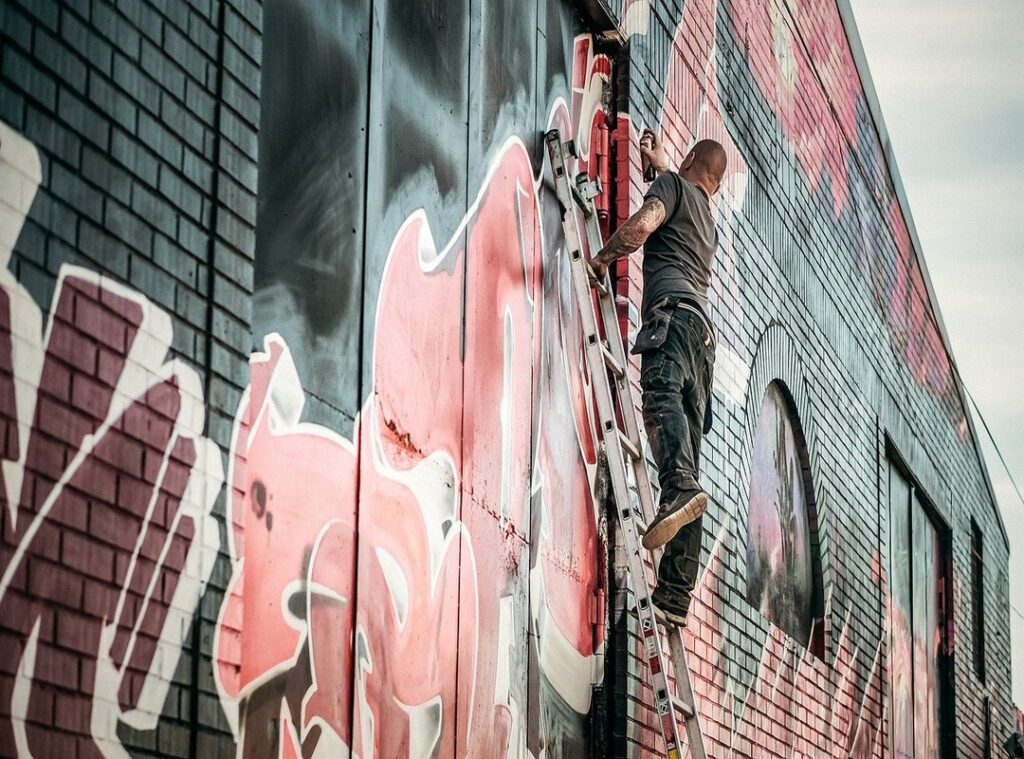
You see some chidos graffitis faciles and think, “I could never do that.” But guess what? You can.
Anyone can learn the basics with a few simple techniques. This article is your step-by-step guide to creating your first impressive graffiti piece on paper. No prior experience needed.
We’ll focus on the core skills of lettering and style, using just pens and paper. It’s all about breaking down those seemingly complex styles into easy, manageable steps. Trust me, you got this.
Gathering Your Gear: The Only Tools You Need to Start
You don’t need a fortune to start creating chidos graffitis faciles. The best graffiti art often begins with a simple pencil and paper.
- A sketchbook or plain paper
- A good graphite pencil (like a 2B)
- A quality eraser
- A set of black fine-liner pens or markers of various tip sizes
These are the essentials, and they won’t break the bank.
If you want to add some color and impact, consider these optional tools:
* Colored pencils
* Alcohol-based markers (like Sharpies)
* Highlighters for a vibrant effect
Practical tip: Practice on cheap printer paper first. This builds your confidence and muscle memory without the fear of ‘ruining’ a nice sketchbook.
Finding reference images online is crucial, and platforms like Pinterest or Instagram are great. Search for things like ‘graffiti alphabets for beginners’ to get inspired.
With these tools, you can start creating amazing art. No need to wait or spend a fortune. Just grab what you need and get started!
The Building Blocks of Graffiti: Mastering Simple Letter Styles
If you’re just starting out in graffiti, you’ll want to get a handle on the basics. Two of the most fundamental and easy-to-learn styles for beginners are Bubble Letters and Block Letters (also known as ‘Straight Letters’).
Let’s dive into Bubble Letters first. Start with a simple skeleton letter, like a ‘C’ or ‘O’. Draw a rounded, puffy outline around it.
Then, erase the inner skeleton, and voila! You’ve got your bubble letter.
Now, for Block Letters. Construct these letters using simple rectangular and square shapes. Focus on maintaining consistent thickness and clean, parallel lines.
It’s all about precision here.
Letter spacing, or kerning, is crucial. Slightly overlapping letters can create a more cohesive and professional-looking ‘piece.’ This small detail can make a big difference in how your work looks.
Pro tip: Practice makes perfect. Challenge yourself to write your name or a simple four-letter word like ‘RISE’ or ‘ART’ in both bubble and block styles. This exercise will help you get a feel for the techniques and improve your skills.
By mastering these chidos graffitis faciles, you’ll build a solid foundation. You’ll be able to create more complex and impressive pieces in no time. Plus, it’s a fun and creative way to express yourself.
Bringing Your Letters to Life: Adding Dimension and Flair

Adding 3D effects is the secret to making simple letters look dynamic and professional. Some might argue that keeping things flat is cleaner and more minimalistic. But let’s face it, a little dimension can make your work stand out. chidos graffitis faciles
The easiest 3D technique is the ‘Drop Shadow.’ Draw your word, then trace the exact same word again slightly below and to one side, and fill in the space between. It’s like giving your letters a shadow, making them pop off the page.
Another simple but powerful technique is the ‘Extruded 3D.’ Draw short, parallel lines from each corner of the letters, all pointing in the same direction, and then connect the ends of those lines. This creates a sense of depth, making your letters look like they’re standing up.
When it comes to coloring, start with solid colors or easy patterns like stripes or polka dots. You don’t need to jump into complex gradients right away. Simple fills can be just as effective and less time-consuming.
Adding a ‘Forcefield’ or a bold outline around the entire word can make it pop off the page and look complete. This final touch gives your letters a polished, finished look.
Some might say these techniques are too basic. But I’ve seen chidos graffitis faciles that use these exact methods and still look amazing. The key is in the execution and the creativity you bring to the table.
Putting It All Together: Your First Simple Graffiti Piece
Alright, let’s get started on your first chidos graffitis faciles. We’ll keep it simple and fun, so don’t stress.
Step 1: Lightly sketch the word in simple block letters with a pencil, focusing on spacing. (Think of it as drawing a bunch of little boxes that happen to spell ‘FLOW’.)
Step 2: Add a simple extruded 3D effect to the letters. (Imagine the letters are popping out of the page like they’re about to high-five you.)
Step 3: Carefully go over the final outlines with a black marker. (This is where you make it look sharp and clean. No wobbly lines, please!)
Step 4: Fill in the front of the letters with one color and the 3D parts with a darker shade of the same color to create depth. (It’s like giving your letters a cool, shadowy vibe. Spooky, right?)
Step 5: Add a final outline around the entire word and erase your initial pencil lines for a clean finish. (Voilà, and you’ve just made your first graffiti piece.
Now, go show it off to your friends and pretend you’re a street art master.)
There you have it. A simple, step-by-step guide to creating your first graffiti piece. Easy peasy, right?
From Blank Page to Bold Art: Keep Your Creative Flow Going
You now know how to get the right tools, draw foundational letters, add 3D effects, and complete a full piece. Creating cool graffiti isn’t about raw talent; it’s about mastering simple, repeatable techniques and practicing them consistently.
chidos graffitis faciles. You now have the fundamental building blocks for countless future designs. Fill a whole sketchbook page with different letters and styles, experimenting with the techniques you’ve just learned.
Embrace the joy of self-expression and develop your unique artistic style through practice.

 Vickie Gardnerosy is the kind of writer who genuinely cannot publish something without checking it twice. Maybe three times. They came to global investment strategies through years of hands-on work rather than theory, which means the things they writes about — Global Investment Strategies, Expert Breakdowns, Market Buzz, among other areas — are things they has actually tested, questioned, and revised opinions on more than once.
That shows in the work. Vickie's pieces tend to go a level deeper than most. Not in a way that becomes unreadable, but in a way that makes you realize you'd been missing something important. They has a habit of finding the detail that everybody else glosses over and making it the center of the story — which sounds simple, but takes a rare combination of curiosity and patience to pull off consistently. The writing never feels rushed. It feels like someone who sat with the subject long enough to actually understand it.
Outside of specific topics, what Vickie cares about most is whether the reader walks away with something useful. Not impressed. Not entertained. Useful. That's a harder bar to clear than it sounds, and they clears it more often than not — which is why readers tend to remember Vickie's articles long after they've forgotten the headline.
Vickie Gardnerosy is the kind of writer who genuinely cannot publish something without checking it twice. Maybe three times. They came to global investment strategies through years of hands-on work rather than theory, which means the things they writes about — Global Investment Strategies, Expert Breakdowns, Market Buzz, among other areas — are things they has actually tested, questioned, and revised opinions on more than once.
That shows in the work. Vickie's pieces tend to go a level deeper than most. Not in a way that becomes unreadable, but in a way that makes you realize you'd been missing something important. They has a habit of finding the detail that everybody else glosses over and making it the center of the story — which sounds simple, but takes a rare combination of curiosity and patience to pull off consistently. The writing never feels rushed. It feels like someone who sat with the subject long enough to actually understand it.
Outside of specific topics, what Vickie cares about most is whether the reader walks away with something useful. Not impressed. Not entertained. Useful. That's a harder bar to clear than it sounds, and they clears it more often than not — which is why readers tend to remember Vickie's articles long after they've forgotten the headline.