
Defining the Playing Field: Stability vs. Velocity
Before allocating a single dollar, DEFINE THE TERRAIN.
Established Markets (e.g. G7 Nations)
These economies feature lower GDP growth, mature infrastructure, strong regulation, and deep capital markets. Think of the U.S., Japan, or Germany—steady, predictable, rarely dramatic (the financial equivalent of a reliable sedan).
Investors here typically prioritize:
- Dividend income
- Capital preservation
- Incremental growth
Real-world example: Many retirees overweight U.S. blue-chip stocks because companies like Procter & Gamble have paid dividends for over a century (S&P Global data).
Developing Markets (e.g. ASEAN, India)
These markets show rapid GDP growth, younger populations, infrastructure expansion, and higher volatility. India’s median age is under 30 (World Bank), fueling long-term consumption growth.
Investors focus on:
- Capital appreciation
- Sector expansion (tech, infrastructure, finance)
- Early-stage growth cycles
The core difference in developed vs emerging markets isn’t wealth—it’s ECONOMIC VELOCITY. Faster change means higher upside—and sharper swings.
Pro tip: Blend both. Use stable markets for ballast and high-growth regions for momentum.
The Economic Growth Engine: A Tale of Two Trajectories
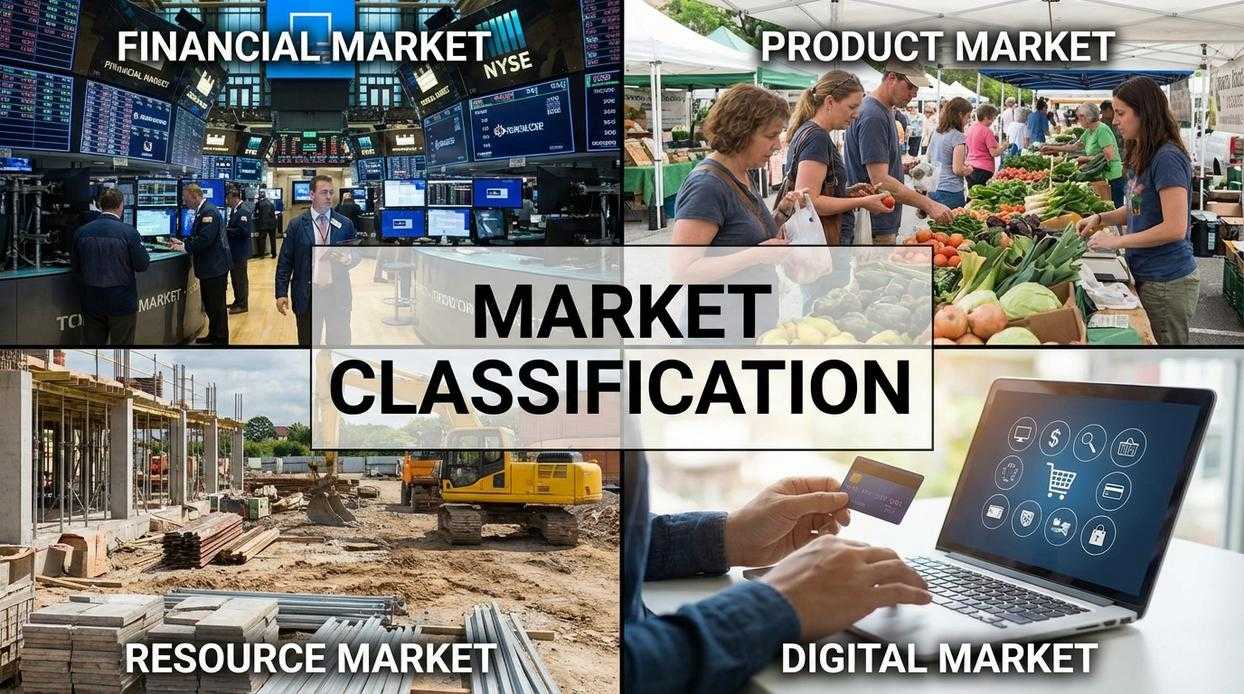
Economic growth isn’t random. It follows people, infrastructure, and incentives. And right now, the contrast between developed vs emerging markets couldn’t be clearer.
Demographics as Destiny
Demographics—the statistical makeup of a population—often act as economic fate. Vietnam’s median age is about 32, while Japan’s is nearly 49 (World Bank, 2024). Indonesia adds millions to its working-age population each year. That means more workers, more consumers, and more tax revenue fueling expansion.
By contrast, Europe and Japan face shrinking labor forces and rising dependency ratios (the number of retirees supported by workers). According to the OECD, Japan has one of the highest old-age dependency ratios globally. Fewer workers supporting more retirees slows GDP growth and strains public finances (not exactly a recipe for dynamism).
The Technology Leapfrog
Developing economies often skip outdated infrastructure entirely. Think of how Kenya bypassed traditional banking with M-Pesa, or how Southeast Asia jumped straight to mobile commerce. GSMA reports mobile internet penetration in Southeast Asia exceeded 70% in 2023. No landlines. No legacy baggage. Just rapid digital scaling.
This “leapfrog effect” creates concentrated growth in:
- Fintech
- E-commerce
- Digital payments
- Telecommunications
When infrastructure starts from zero, growth rates can look EXPLOSIVE.
Industrial vs. Service Economies
Established markets lean heavily on services—finance, healthcare, consulting. These sectors are stable but mature. Meanwhile, nations urbanizing at speed demand:
- Cement and steel
- Manufacturing hubs
- Logistics networks
- Commodity imports
China’s urbanization rate rose from 36% in 2000 to over 64% in 2022 (World Bank). That construction boom wasn’t theoretical—it reshaped global commodity markets.
The pattern is consistent: aging economies stabilize; youthful ones accelerate. Investors ignore that divergence at their own peril.
Dissecting the Risk Profile: Volatility, Currency, and Governance
I once watched a portfolio swing 12% in a week—not because the companies failed, but because the local currency did. That was my crash course in currency risk (the possibility that exchange rate movements will reduce investment returns). The US Dollar and Euro tend to act as global anchors during crises (IMF data consistently shows the dollar strengthening during risk-off periods). Emerging market currencies, by contrast, can be far more volatile due to trade imbalances, inflation shocks, or political unrest.
Some argue currency swings are overblown—“It all evens out long term.” Sometimes it does. But tell that to investors in Argentina in 2018 when the peso lost over 50% of its value (World Bank data). Political instability can trigger sharp sell-offs. Yet paradoxically, that same instability can create discounted entry points for disciplined investors (think of it as buying winter coats in July).
For deeper strategies, explore currency risk management for global investors.
Then there’s regulatory risk—the uncertainty created by changing or unclear laws. Established markets operate under structured oversight like SEC regulations, offering transparency and predictable enforcement. In contrast, evolving legal systems may lack clarity (a paperwork delay can become a portfolio headache). Critics say heavy regulation stifles growth. Perhaps—but opacity can stifle confidence even faster.
Finally, liquidity risk—how easily you can buy or sell without affecting price. In New York or London, trades execute in seconds. In smaller markets, downturns can trigger capital flight (rapid investor withdrawal), freezing exits just when you need them most.
That’s the trade-off between developed vs emerging markets: stability and structure versus speed and opportunity. (Choose your turbulence wisely.)
Building a Balanced Global Portfolio
You came here looking for clarity on how to balance opportunity and stability across global markets. Now you have a practical framework for understanding the real trade-offs between developed vs emerging markets.
The decision was never about choosing “good” over “bad.” It’s about aligning your investments with your goals—whether that’s long-term growth, reliable income, or managing volatility within your comfort zone. Each market type plays a distinct role, and understanding that role is what separates reactive investing from strategic planning.
A resilient global portfolio often blends both. The stability and institutional strength of developed economies can anchor your strategy, while the expansion potential of emerging markets can drive meaningful upside. Together, they create balance.
If you’re unsure how much risk you should be taking, that uncertainty can stall your progress. Start by assessing your personal risk profile and defining your financial objectives. Then allocate accordingly.
Don’t let indecision cost you growth. Build a strategy that works in every cycle—review your portfolio allocation today and position yourself for smarter global returns.