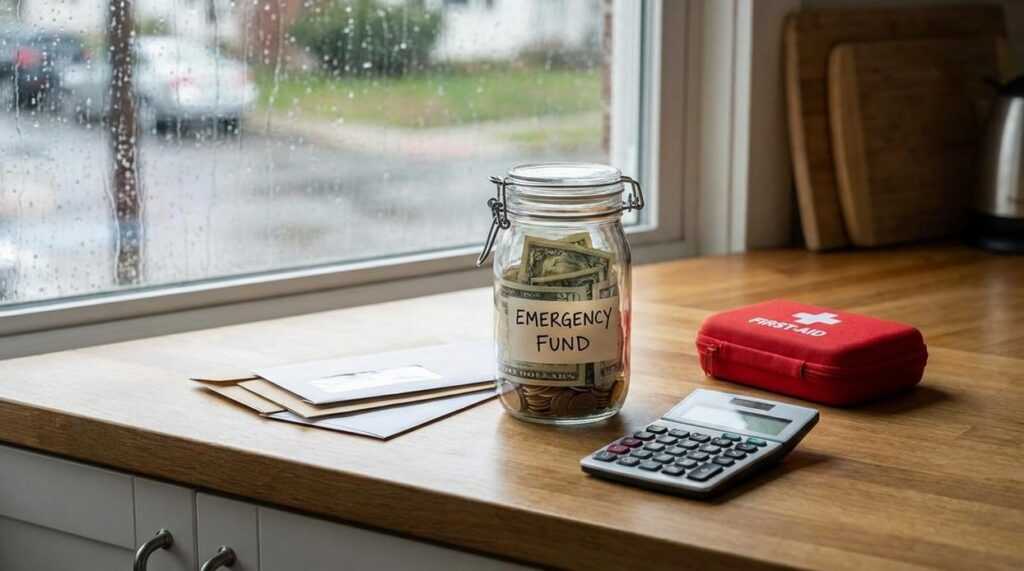
Financial shocks rarely send a warning.
You’re likely here because you want to protect your life from the impact of a sudden job loss, medical emergency, or costly home repair. Without a plan, these moments can derail long‑term goals and create overwhelming stress.
This guide gives you a clear, step‑by‑step blueprint for building your financial shield against uncertainty. You’ll learn practical emergency fund planning strategies, how to create multiple layers of protection, and how to prepare for volatility before it happens.
The approach is grounded in time‑tested financial planning principles used to navigate economic cycles and market instability—so you can face any financial emergency with confidence, not fear.
Defining a Financial Emergency: What It Is and Isn’t
A financial emergency is an unforeseen, urgent, and necessary expense that requires immediate funds. Think sudden job loss, a $3,000 transmission failure, or an unexpected medical bill. According to the Federal Reserve, nearly 37% of Americans would struggle to cover a $400 expense without borrowing or selling something (Federal Reserve, 2023). That’s the reality.
Emergency vs. Poor Planning
A flash sale on flights to Bali isn’t an emergency (even if it feels like one). Neither is upgrading to the newest smartphone because the camera is “life-changing.” True emergencies protect your stability; impulse spending disrupts it.
Some argue any expense causing stress counts. But stress alone isn’t the test—necessity and urgency are.
Without emergency fund planning, people often turn to:
- High-interest credit cards (averaging over 20% APR, per CFPB)
- Predatory payday loans
- Early withdrawals from retirement accounts
That domino effect can derail long-term goals, including retirement planning strategies for mid career professionals. (Pro tip: if it can wait 30 days, it’s probably not an emergency.)
The Cornerstone: How to Build and Maintain Your Emergency Fund
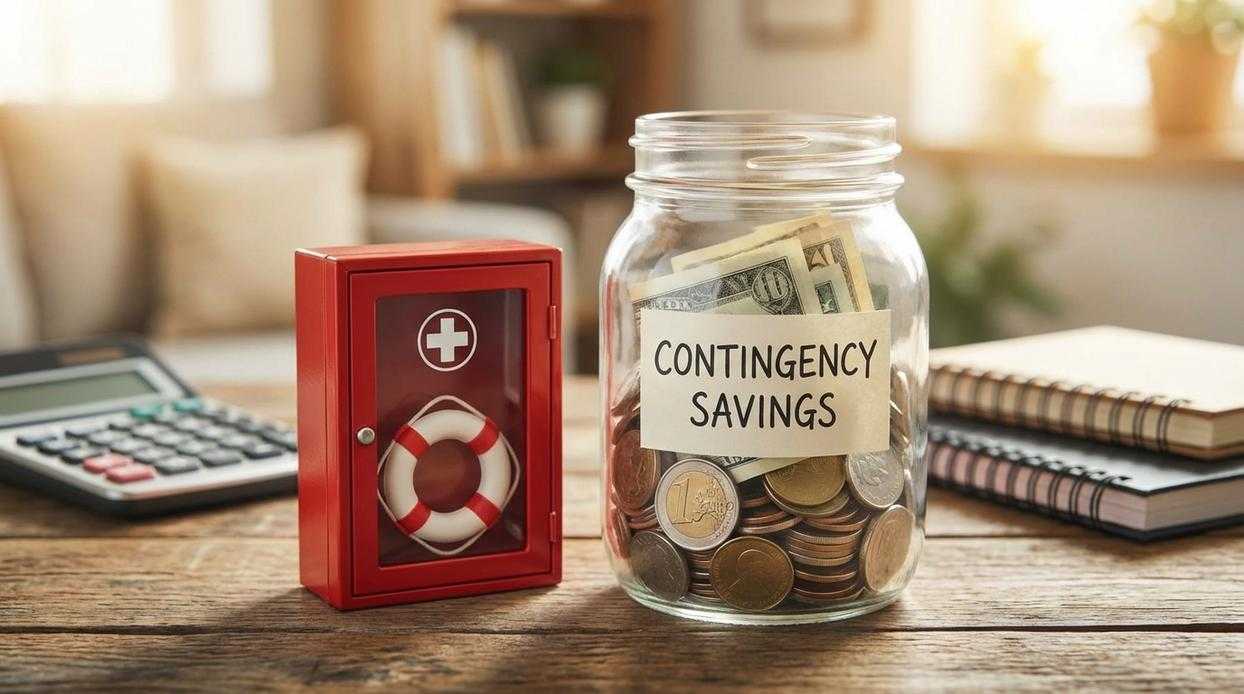
Let’s be honest: nothing spikes your blood pressure faster than an unexpected expense. The car dies. The fridge quits. Hours get cut at work. And suddenly, that “I’ll deal with it later” savings plan feels painfully real. Financial stress is exhausting.
Calculating Your Target Number
You’ve probably heard the rule: save 3 to 6 months of essential living expenses. Some argue that’s excessive—why let cash sit idle? Others say it’s not nearly enough in today’s volatile economy. Both have a point. But this range balances flexibility with realism, especially given that nearly 37% of Americans would struggle to cover a $400 emergency (Federal Reserve, 2023).
Here’s a quick checklist to calculate your number:
- Mortgage or rent
- Utilities
- Food
- Transportation
- Insurance premiums
- Minimum debt payments
Add them up. Multiply by three to six. That’s your baseline for emergency fund planning.
Choosing the Right Account
Liquidity means quick access to cash without penalties. Safety means your principal won’t fluctuate with the market. This is why a high-yield savings account (HYSA) is ideal. It earns modest interest while keeping funds accessible and FDIC-insured (FDIC.gov).
Keeping this money in stocks? Risky. Markets drop—sometimes right when you need cash most (hello, 2008). Keeping it in checking? Too easy to “accidentally” spend.
A Practical Savings Strategy
The biggest frustration: waiting until there’s “extra” money. There rarely is.
Instead, try the pay yourself first method. Set up automatic transfers to your HYSA—even $25 per week. Consistency beats intensity.
Pro tip: increase transfers after every raise so you never miss the difference.
Your Action Plan: What to Do When an Emergency Strikes
Emergencies don’t send calendar invites. A job loss, medical bill, or busted transmission can hit fast. And while most advice says “stay calm,” let’s be honest—that’s easier said than done. Still, your first move is simple: assess. Pause. Define the full cost and timeline before reacting. Acting too quickly can make a $2,000 problem spiral into $5,000 (panic is expensive).
Next, deploy your emergency fund. Some people hesitate, treating savings like a museum piece—look, don’t touch. That’s backward. This is precisely what it’s for. Use it without guilt.
Then, control the damage. Call providers. Negotiate bills. Hospitals often offer payment plans or discounts (Kaiser Family Foundation notes many medical bills are negotiable). Mechanics, too, may prioritize essential repairs.
Finally, plan the replenishment. Rebuild immediately with disciplined emergency fund planning. Pro tip: automate contributions so recovery feels less painful.
Financial anxiety often feels unavoidable.
Unexpected expenses, job uncertainty, market swings—life has a way of testing your stability when you least expect it. The stress doesn’t just affect your bank account. It affects your sleep, your decisions, and your confidence about the future.
But now you have a comprehensive framework for planning and navigating any financial emergency. You understand that while life’s uncertainties will always exist, the chaos and panic they create are optional.
The difference is preparation.
A structured approach to emergency fund planning, backed by the right insurance coverage and a clear action plan, gives you control when circumstances try to take it away. Instead of reacting emotionally, you respond strategically. Instead of scrambling, you execute.
From Financial Anxiety to Financial Confidence
You came here looking for clarity on how to protect yourself from financial shocks. Now you know the blueprint.
The stress of “what if” doesn’t disappear because risks go away. It disappears because you’re ready for them.
Take the first step today. Calculate your 3-month expense number and automate your first transfer—no matter how small. Even a modest start builds momentum.
Your future confidence begins with one decision. Make it now.