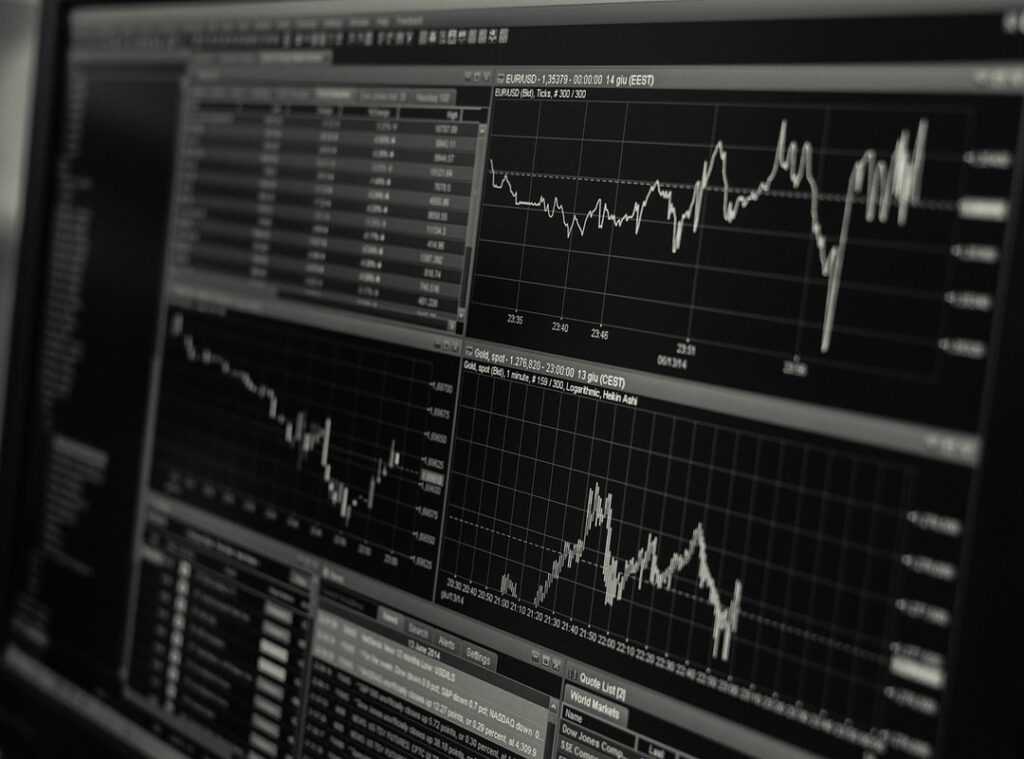
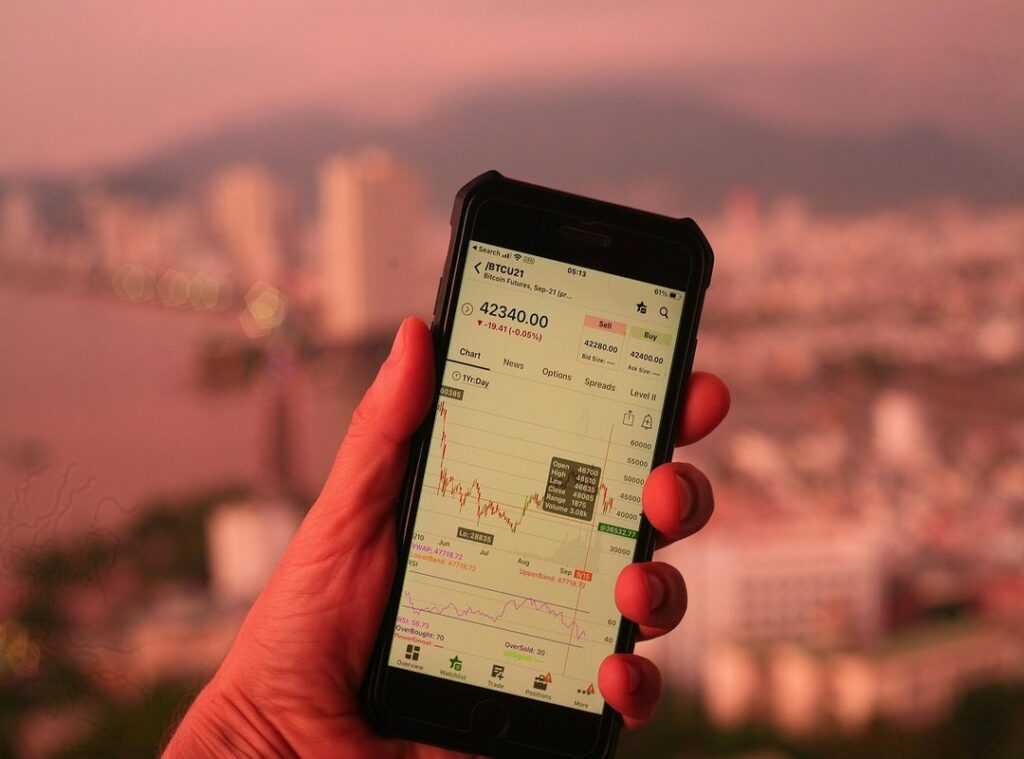
Ever been burned by a futures trade? You know the feeling. One minute, everything’s fine.
The next, there’s a market-wide jolt, and your plan crumbles. Why does this happen? Too many traders obsess over charts, ignoring the real game-changer: future trading economic indicators.
These are the true drivers of those wild price swings.
I get it. Charts are seductive. But they’re just the surface.
Beneath lies a world of economic trends that dictate market moves. Does this mean you should ditch technical analysis? No.
But integrating these indicators can change your game.
This guide will cut through the noise. I’ll show you how to anticipate moves instead of just reacting. With my deep dive into global economic trends, you’ll finally grasp the full picture.
Ready to step up your trading game? Let’s get started.
Futures Trading and Economic Indicators: A Non-Negotiable Duo
Let’s get straight to it. If you’re in futures trading, economic indicators aren’t just optional (they’re) important. You know why?
Because futures markets are contracts based on the future value of an asset. And that asset’s value? Hugely influenced by the economy’s health.
It’s like this: dismiss these indicators, and you’re like someone trying to drive cross-country without a map. Sure, you might get where you need to go, but prepare for wrong turns (lots of them).
Breaking Down the Indicators
Think of economic indicators as your navigational tools. In futures trading, we talk about three types. Leading indicators?
They’re like your GPS, alerting you to traffic jams ahead. Take building permits as a classic example. Coincident indicators show you what’s happening now (like) sitting in the darn traffic (retail sales fit here).
Lagging indicators? They tell you what already happened. That’s like hearing a news report about the traffic jam you just escaped.
Unemployment rates often fall into this lagging category.
But here’s the kicker: leading indicators are where you get your edge. They give you that predictive power you crave. Ignore them, and you’re flying blind in a storm.
Now, you can’t just look at these indicators in isolation. They’re part of a broader financial system, including digital currencies financial systems, which are reshaping how we view economic health. Stay informed, or get left behind.
The Big Three: Indicators Every Trader Must Watch
I’m all about getting into the nitty-gritty of future trading economic indicators. You want to succeed? You need to watch the ‘Big Three’: GDP, CPI, and Employment Data.
These guys tell you everything about market moves.
First up, GDP. Think of it as the economy’s report card. A stronger-than-expected GDP?
That’s like hitting a home run for equity index futures (E-mini S&P 500, anyone?). But it can be a downer for bond futures. Why?
Potential interest rate hikes. More growth can mean higher rates. All this makes bonds less attractive.
Now, let’s talk CPI. It’s the cost of living measure. Directly linked to central bank policies.
When CPI is high, interest rates tend to go up. A bearish signal for stock indices but bullish for the US Dollar. Inflation gets everyone jittery.
When prices rise, your buying power shrinks. That’s a red flag for traders hunting for safe bets.
Finally, employment data. The health of the job market. Strong job growth signals a strong economy.
This isn’t just academic talk. When Non-Farm Payrolls (NFP) beats expectations, it can trigger a major rally in stock futures. Picture an immediate surge.
Why? More jobs mean more spending and higher corporate profits. A chain reaction that affects everyone.
Here’s a pro tip: keep an eye on the using futures as indicator. It’s a smart move. Futures can give you a sneak peek into market trends before they happen.
But always remember, indicators are just that (indicators.) They hint, they suggest, but they don’t guarantee.
So, are you tracking GDP, CPI, and Employment Data? If not, start now. They’re your road map to understanding market movements.
Trust me, ignore them at your own risk. You want to make informed trades, right? Then keep these indicators on your radar.
Beyond the Headlines: Navigating Economic Signals
In today’s chaotic world, peeling back industry layers can feel overwhelming. But trust me, it’s worth stepping into the “engine room” of the economy. Here, you’ll find signals lurking long before the mainstream big stories hit.

Think of it as spotting a storm before the first raindrop falls.
Let’s talk about the Purchasing Managers’ Index (PMI). This survey of business managers tells us if manufacturing and services are growing or shrinking. When the PMI reads above 50, it means expansion.
It’s like a pulse check on the economy. Both the US ISM PMI and Caixin China General Manufacturing PMI are key players. They help shape global growth expectations and even sway commodity futures (like copper and oil).
Why does this matter for future trading economic indicators? Well, these PMIs act as leading indicators. They provide a sneak peek at economic health before the official reports roll out. (Think of them as the backstage pass to economic concerts.)
But let’s not ignore consumer confidence and retail sales. These aren’t just numbers; they’re windows into consumer mood and spending power. High retail sales can hint at future corporate earnings strength.
That, in turn, can boost equity futures.
Sure, sometimes these indicators don’t scream clear-cut answers. Are we in or out of a recession? I’m not always sure.
But staying informed helps us align our strategies. For those interested in Green Finance Sustainable Investments, these indicators are gold for understanding where the world leans financially. So, while the headlines flash, dive deeper.
It’s where the real story unfolds.
Mastering Trading: Your System for Action
Let’s talk about a real challenge in trading: shifting from learning what the indicators are to actually using them. It’s frustrating, right? Knowing all these terms but feeling lost in applying them.
So let’s cut the fluff and dive into something practical.
First, you need an economic calendar. Trust me, this isn’t just a suggestion. It’s important.
Use a reliable online one and filter it for high-impact events relevant to the markets you trade. You don’t want to be blindsided by unexpected market moves.
Next, let’s tackle ‘forecast’ vs. ‘actual’ numbers. This isn’t just jargon. Understanding these can give you a serious edge.
The market expects certain numbers (the whisper numbers), and when the actuals come out different, prices can swing wildly. This is where the action is (and where the money is made or lost).
Now, onto strategies. You have choices. One approach is to avoid trading right before and after major data releases.
It’s a rollercoaster you might not want to ride without a seatbelt. Alternatively, if you’re gutsy, trade the volatility. But please, use tight stop-losses and have clear profit targets.
Don’t just wing it.
And here’s the kicker: risk management. It’s not optional. It’s the backbone of future trading economic indicators.
You mess this up, and your trading days are numbered. So, what’s your plan? Do you want to stay in the game or watch from the sidelines?
Transform Your Trading Game Today
Trading futures without understanding economic data is a gamble. You know it, I know it. That’s why getting a grip on future trading economic indicators is key.
Follow the steps in this guide and see how informed decisions transform your trading. You’re not just reacting to the market noise anymore. Start today.
Pick two key indicators from this list, add them to your calendar, and watch the market’s response. This is your first step to trading smarter, not harder. Ready to leave guesswork behind?
Dive in and start making informed trades now. Forget gambling. Embrace plan.

 Zyvaris Grendall writes the kind of global investment strategies content that people actually send to each other. Not because it's flashy or controversial, but because it's the sort of thing where you read it and immediately think of three people who need to see it. Zyvaris has a talent for identifying the questions that a lot of people have but haven't quite figured out how to articulate yet — and then answering them properly.
They covers a lot of ground: Global Investment Strategies, FT-Focused Economic Trends, Finance Planning Techniques, and plenty of adjacent territory that doesn't always get treated with the same seriousness. The consistency across all of it is a certain kind of respect for the reader. Zyvaris doesn't assume people are stupid, and they doesn't assume they know everything either. They writes for someone who is genuinely trying to figure something out — because that's usually who's actually reading. That assumption shapes everything from how they structures an explanation to how much background they includes before getting to the point.
Beyond the practical stuff, there's something in Zyvaris's writing that reflects a real investment in the subject — not performed enthusiasm, but the kind of sustained interest that produces insight over time. They has been paying attention to global investment strategies long enough that they notices things a more casual observer would miss. That depth shows up in the work in ways that are hard to fake.
Zyvaris Grendall writes the kind of global investment strategies content that people actually send to each other. Not because it's flashy or controversial, but because it's the sort of thing where you read it and immediately think of three people who need to see it. Zyvaris has a talent for identifying the questions that a lot of people have but haven't quite figured out how to articulate yet — and then answering them properly.
They covers a lot of ground: Global Investment Strategies, FT-Focused Economic Trends, Finance Planning Techniques, and plenty of adjacent territory that doesn't always get treated with the same seriousness. The consistency across all of it is a certain kind of respect for the reader. Zyvaris doesn't assume people are stupid, and they doesn't assume they know everything either. They writes for someone who is genuinely trying to figure something out — because that's usually who's actually reading. That assumption shapes everything from how they structures an explanation to how much background they includes before getting to the point.
Beyond the practical stuff, there's something in Zyvaris's writing that reflects a real investment in the subject — not performed enthusiasm, but the kind of sustained interest that produces insight over time. They has been paying attention to global investment strategies long enough that they notices things a more casual observer would miss. That depth shows up in the work in ways that are hard to fake.