
Asia’s markets move fast—but the real story lies beneath the headlines. This guide decodes the asian economic indicators that truly shape growth, risk, and opportunity across the region’s diverse economies. From GDP trends to PMI readings, understanding the data behind market shifts is essential for building a resilient investment strategy. Rather than reacting to short-term noise, you’ll learn how to interpret the fundamentals that leading financial institutions monitor closely. Grounded in a rigorous, data-first framework, this article equips you with clear, practical insights to navigate Asian markets with confidence and precision.
The Twin Pillars: GDP Growth and Inflation Rates
Think of GDP growth and inflation as the economy’s speedometer and temperature gauge. One tells you how fast you’re moving; the other tells you if the engine is overheating.
Gross Domestic Product (GDP) measures the total value of goods and services produced within a country. But 6% growth in Vietnam or Indonesia means something very different from 6% in Japan or South Korea. Emerging economies often grow faster because they’re industrializing and expanding their middle class. Developed economies, by contrast, are mature—so even 1–2% growth can signal stability rather than stagnation. High growth isn’t always “better”; context matters.
Now compare Nominal vs. Real GDP. Nominal GDP reflects raw output, while real GDP adjusts for inflation. If GDP rises 7% but inflation is 5%, real growth is closer to 2%. Without this adjustment, expansion can look stronger than it truly is (a bit like mistaking price hikes for productivity gains).
The Consumer Price Index (CPI) tracks changes in the average price of consumer goods and services. Rising CPI erodes purchasing power, squeezes corporate margins, and pressures central banks. For example, the Bank of Japan or the Reserve Bank of India may raise interest rates to cool inflation.
Consider two scenarios:
- High GDP + Low CPI: Sustainable expansion.
- High GDP + High CPI: Overheating economy.
In the second case, policy tightening often follows. Monitoring asian economic indicators helps investors compare these dynamics side by side and anticipate shifts before markets react.
Gauging Production and Sentiment: PMI and Business Confidence
The Purchasing Managers’ Index (PMI) is a leading indicator—a data point that signals where the economy is headed, not just where it’s been. Compiled from surveys of purchasing managers, it tracks new orders, output, employment, supplier deliveries, and inventories. The 50-point threshold is crucial: above 50 indicates expansion, below 50 signals contraction (a simple line in the sand that markets watch like hawks).
Now, some argue PMI is just “soft data” based on sentiment rather than hard output figures. That’s fair. However, because it’s released monthly and ahead of official GDP data, it often captures turning points earlier (Source: S&P Global PMI methodology). In fast-moving, export-driven economies like China, Taiwan, and South Korea, this matters. A dip in new export orders can foreshadow supply chain slowdowns—something investors learned the hard way during the pandemic era.
Equally important are Business Confidence Surveys. These measure executive expectations around hiring, capital expenditure, and demand. Think of them as a forward-looking mood ring for corporate leaders. When confidence rises, companies typically invest and expand (OECD Business Tendency Surveys).
Here’s my recommendation: watch for alignment. A rising PMI combined with strong confidence readings often supports a bullish equity outlook. Used alongside other asian economic indicators, this pairing can sharpen your timing. For broader structural context, review understanding corporate governance standards across asia. Pro tip: confirm trends over two to three months before making allocation shifts.
The Consumer and Trade Engine: Retail Sales and Balance of Trade
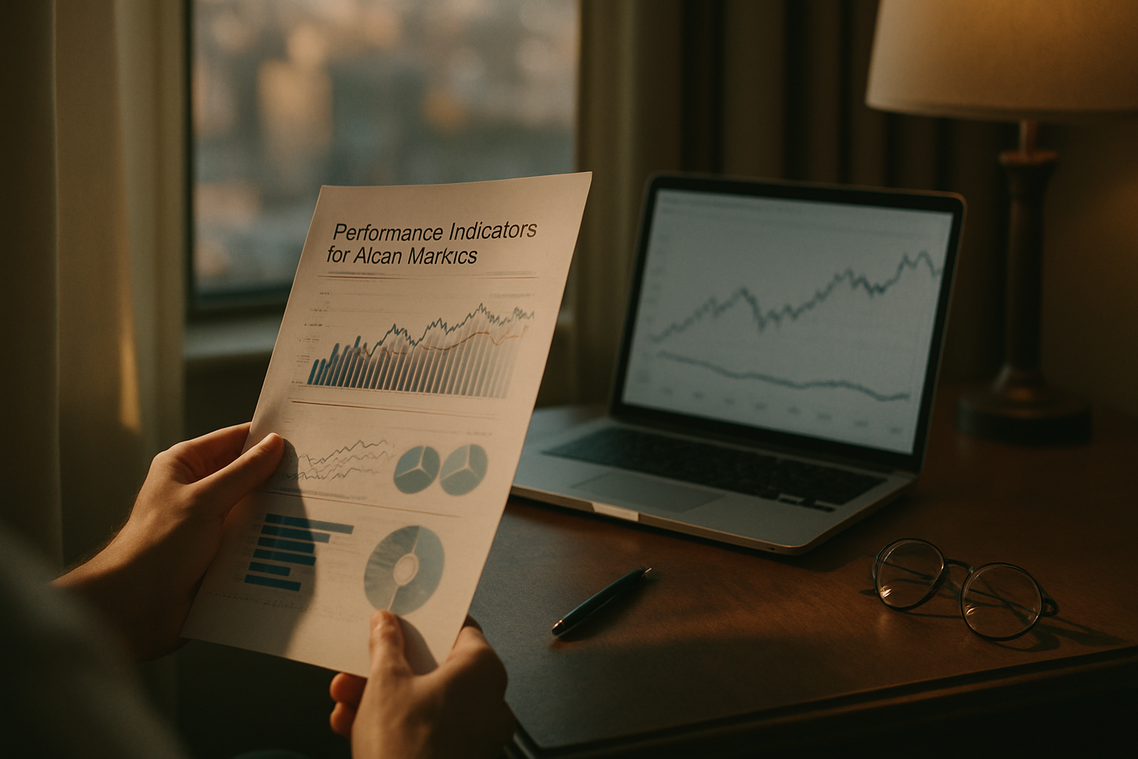
When comparing economic strength, think of Retail Sales Data and Balance of Trade as two different engines powering the same plane. One runs on domestic demand; the other on global competitiveness.
Retail Sales Data measures total receipts of retail stores and is the clearest gauge of consumer spending strength. In economies pivoting toward consumption—like China and India—this indicator has become CENTRAL to growth strategy. If households are spending, businesses expand, jobs grow, and momentum builds (it’s the economic equivalent of a packed mall during Lunar New Year). Some argue retail sales are volatile and overly seasonal. True—but sustained trends still reveal whether consumers feel confident or cautious.
Balance of Trade, by contrast, is the difference between a country’s exports and imports. A trade surplus (exports > imports) typically strengthens foreign exchange reserves and supports the national currency. Critics say surpluses can mask weak domestic demand. That’s fair—but they also signal global competitiveness.
Consider Vietnam. Its strong positive trade balance reflects its vital role in global supply chains, especially electronics and textiles. That’s a different growth model from consumption-driven economies.
Here’s the side-by-side reality:
- Strong Retail + Weak Trade = domestically fueled growth.
- Weak Retail + Strong Trade = export dependence.
The second scenario can look impressive—until global demand slows. Like relying on one big client, external shocks hit harder. Monitoring asian economic indicators helps investors spot which engine is truly driving growth.
Labor Markets and Capital Flows: Employment and Foreign Investment
First, let’s talk jobs. The unemployment rate measures the share of people actively seeking work but unable to find it. When it’s low, we call it a tight labor market—meaning employers compete for workers, often pushing wage growth higher. Rising wages can boost consumer spending (great for GDP), yet they can also stoke inflationary pressure, as seen across parts of Asia in 2023 (Asian Development Bank, 2023).
Now, here’s the contrarian take: a red‑hot labor market isn’t always bullish. Investors often cheer low unemployment, but overheating can trigger rate hikes that cool growth.
Meanwhile, Foreign Direct Investment (FDI)—long‑term capital from overseas investors—signals durable confidence. India’s tech sector and Southeast Asia’s manufacturing hubs are attracting strong inflows, reflecting shifting asian economic indicators and supply chain realignment trends.
Synthesizing Data for a Coherent Financial Plan
No single data point can capture the full picture of a dynamic economy. GDP, inflation, trade flows, and employment each tell part of the story—but real clarity comes from understanding how these forces move together. By connecting these asian economic indicators, you shift from reacting to headlines to building strategies grounded in fundamental economic health.
If market noise has been clouding your decisions, this framework gives you structure and confidence. Start integrating this multi-indicator approach into your financial planning today to uncover smarter opportunities, manage risk effectively, and navigate Asia’s evolving markets with precision.