
I’ve spent years watching investors get lost in Asia’s stock markets.
You’re probably here because you know Asia holds massive opportunities but the sheer size of it feels overwhelming. Where do you even start when you’re looking at markets from Tokyo to Mumbai?
Here’s the reality: Asia’s stock exchanges operate differently than what you’re used to. Different rules. Different drivers. Different risks.
I put this guide together to cut through the confusion. No fluff about exotic markets or get-rich-quick schemes. Just a clear breakdown of the major exchanges and what actually moves them.
At stock exchange ftasiafinance, we track these markets daily. We watch the economic forces that shape investment opportunities and translate complex market data into information you can actually use.
This article walks you through Asia’s key stock exchanges. You’ll learn what makes each market tick, which characteristics matter for your investment decisions, and what trends are shaping opportunities right now.
Whether you’re considering your first Asian investment or looking to expand your portfolio, you’ll get the consolidated information that’s hard to find anywhere else.
No predictions. No hype. Just what you need to know about Asia’s stock markets today.
The Big Picture: Why Asia’s Markets Command Global Attention
You can’t talk about global growth without talking about Asia.
I’m not being dramatic here. The numbers back it up.
Asia drives more than 60% of global GDP growth according to the IMF. That’s not a typo. While Western economies crawl forward at 2% or 3%, Asian markets are reshaping what economic expansion looks like.
But here’s what most analysts get wrong.
They treat Asia like one big market. Like Tokyo operates the same way Mumbai does. Or like Shanghai follows the same playbook as Ho Chi Minh City.
That’s lazy thinking.
Asia isn’t a single story. It’s dozens of them playing out at different speeds.
Japan runs like clockwork. Mature. Stable. Predictable returns if you know where to look. The Tokyo Stock Exchange has been around since 1878 and it shows.
China flexes industrial muscle. Shanghai and Shenzhen pump out manufacturing and tech at a scale that still surprises people. Hong Kong sits at the crossroads, connecting mainland capital with global markets (even with all the political noise).
India is just getting started. Mumbai’s market capitalization crossed $4 trillion in 2024. The middle class is exploding. Infrastructure spending is MASSIVE. This isn’t potential anymore. It’s happening.
Then you’ve got Southeast Asia, where Singapore acts as the financial plumbing for the entire ASEAN bloc. Vietnam manufacturing. Indonesian consumer growth. Thailand’s tourism rebound.
Some people say Asia’s too risky. Too unpredictable. They point to currency swings and regulatory changes like they’re dealbreakers.
Sure, volatility exists. But that’s where the opportunity lives.
What competitors miss is this: ftasiafinance tracking shows that regional diversification within Asia actually reduces risk. You’re not betting on one economy. You’re spreading across different growth stages and market types.
The stock exchange ftasiafinance data I’ve reviewed tells a clear story. Capital is flowing East and it’s not slowing down.
Deep Dive: A Tour of Asia’s Premier Stock Exchanges
Let me walk you through the exchanges that actually matter in Asia.
You’ve probably heard of the Tokyo Stock Exchange. Maybe you’ve seen the Nikkei 225 flash across your screen during market hours (usually right before you check your own portfolio and immediately regret it).
But there’s a lot more happening across this region than most Western investors realize.
Tokyo Stock Exchange: The Old Guard
The TSE is where you find the names everyone knows. Toyota. Sony. Honda.
This is Japan’s powerhouse. The Nikkei 225 tracks the big players while TOPIX gives you a broader view of what’s actually moving. What I like about the TSE is its reputation. It’s stable. The companies here have been around forever and they’re not going anywhere.
Some investors say Asian markets are too volatile and you should just stick with US stocks. They point to currency risks and regulatory uncertainty. Fair points, honestly.
But here’s what they’re missing. You’re leaving serious growth on the table.
Shanghai and Shenzhen: Two Sides of China
The Shanghai Stock Exchange is where you find the state-owned giants. Think banks, energy companies, and the kind of firms that have government backing baked into their DNA.
Shenzhen? That’s different.
The SZSE is where China’s tech scene lives. It’s younger, faster, and way more willing to take risks. If Shanghai is the establishment, Shenzhen is the startup that just got its Series B funding.
Hong Kong: The Bridge
The HKEX sits right in the middle of everything.
It’s where Mainland Chinese companies go when they want international money. And it’s where global investors go when they want exposure to China without dealing with all the mainland restrictions. Alibaba listed here. Tencent too.
Think of it like the airport lounge between two countries. Everyone passes through.
India’s NSE: Growth on Steroids
I’ve been watching the National Stock Exchange of India for years now. The NIFTY 50 index tells you everything you need to know about where India is heading.
IT services dominate. Banking is huge. Financial services are everywhere.
This exchange reflects what’s actually happening in India right now. A massive population getting wealthier, going digital, and needing financial products they never had access to before.
Singapore Exchange: The Regional Hub
The SGX punches above its weight.
For a small country, Singapore has built something impressive. The ftasiafinance stock market coverage shows how REITs are massive here. Maritime trading too, which makes sense given Singapore’s location.
What makes stock exchange ftasiafinance analysis interesting is how it connects these dots. Singapore positioned itself as the gateway to Southeast Asia and it worked.
You want exposure to the region but you’re nervous about jumping into Vietnam or Indonesia directly? Singapore gives you that access with better regulatory oversight.
Each of these exchanges has its own personality. Its own strengths. And yeah, its own risks too.
But that’s the point. You can’t treat Asia as one monolithic market. Tokyo operates nothing like Mumbai. Shanghai plays by different rules than Hong Kong.
Understanding these differences? That’s how you actually make money here instead of just hoping for the best.
Market Buzz: Key Trends Shaping Asian Equities Today
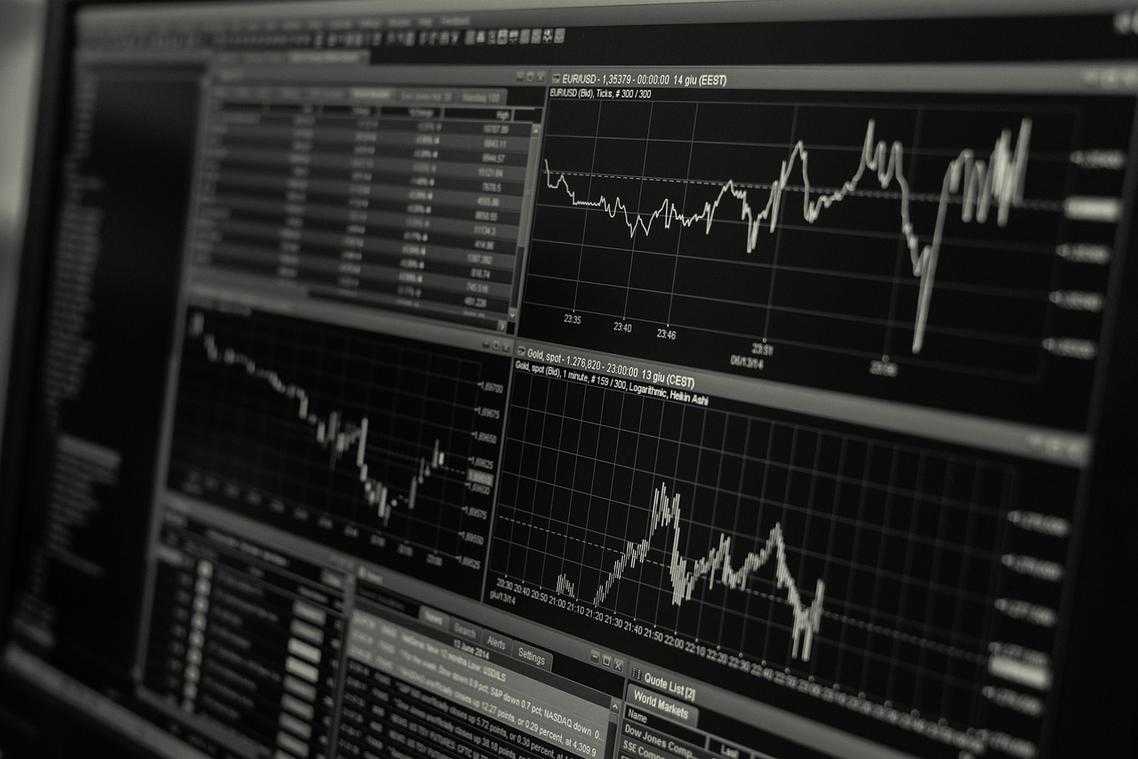
You’re watching Asian markets and wondering what’s actually driving the moves.
I see it every day. Investors get caught up in daily noise and miss the bigger shifts happening right under their noses.
Here’s what’s really going on.
The digital shift is remaking everything. AI companies in China and India are pulling in record funding. E-commerce platforms are expanding faster than anyone predicted. Fintech startups are replacing traditional banks in markets where most people never had a bank account to begin with.
Some analysts say this is just a bubble. They point to high valuations and warn that we’ve seen this movie before. Back in the dot-com era, everyone thought every tech company would change the world.
Fair point.
But here’s where they’re wrong. This isn’t speculation on what might work someday. These companies have users. Real revenue. Actual profits in many cases.
Supply chains are moving. Not might move. Are moving right now.
Vietnam and Indonesia are getting manufacturing plants that used to sit in China. Bangladesh is becoming a textile powerhouse. The stock exchange ftasiafinance data shows capital flowing into infrastructure plays across Southeast Asia at rates we haven’t seen in decades.
My recommendation? Look at the companies building the roads and ports in these countries. They’re the picks and shovels of this gold rush.
The green energy story is massive. China’s pouring billions into solar and EV production. Japan’s betting big on hydrogen. India’s building out renewable capacity faster than any country its size ever has.
Here’s what you should do. Stop thinking of this as an environmental play. It’s an economic one. These governments are committed because they want energy independence.
Then there’s consumption. The middle class across Asia is growing and they’re spending money. Not saving it all like their parents did. They want cars and phones and vacations.
Track the consumer discretionary names. Especially the ones focused on domestic markets rather than exports.
That’s your edge right now.
Strategic Investing: How to Approach the Asian Markets
Most guides tell you to diversify across Asia and call it a day.
They don’t tell you what that actually means when you’re staring at your brokerage account at 2am wondering if you made the right call.
Here’s what I’ve learned after years of watching investors fumble their way through Asian markets. The question isn’t whether to use ETFs or pick individual stocks. It’s about knowing when each approach makes sense for your situation.
ETFs give you the safety net. You spread risk across dozens of companies without needing to understand every local regulation. But you also get stuck with the underperformers dragging down your returns.
Individual stocks? That’s where you can actually beat the market. But only if you’re willing to dig into financial statements written in languages you might not speak and understand governance structures that look nothing like what you’re used to back home.
What nobody talks about is the middle ground. I use ETFs for sectors I don’t fully understand yet. Then I layer in individual positions once I’ve done the work on companies I actually trust.
The stock exchange ftasiafinance data shows something interesting. Patient investors who hold through the volatility consistently outperform those who panic sell during corrections. But patience without research is just gambling with a longer timeline.
Before you put money into any Asian market position, ask yourself if you understand how that company actually makes money. Not the pitch deck version. The real business model.
Then check if you can stomach a 30% drawdown without selling. Because it will happen.
Your First Step Into Asia’s Markets
You came here to understand Asia’s stock exchange landscape. Now you have that foundation.
The region’s markets are complex but that complexity creates opportunity. Each stock exchange ftasiafinance covers has its own character and potential.
I’ve shown you the key players and the trends moving these markets. You know what makes Shanghai different from Tokyo and why Hong Kong matters.
This isn’t about jumping in blind. It’s about building a strategy that works across borders.
The diversity across Asian exchanges gives you options. When you understand how each market operates and what drives it, you can position yourself better than investors who stick to familiar territory.
Here’s your next move: Pick one or two markets that match your goals. Study the sectors showing momentum. Look at the macroeconomic factors we discussed and see how they’re playing out in real time.
The information is here. The opportunities are real.
Start with what you learned today and go deeper into the markets that make sense for your portfolio. Your global investment strategy gets stronger when you know what you’re looking at. Homepage. Ftasiafinance Technology.