
Best Practice #1: Fostering Board Independence and Effectiveness
Everyone agrees boards matter. Fewer agree on what real independence looks like.
The Role of Independent Directors
Independent Non-Executive Directors (INEDs) are board members without material ties to management. Their job is simple in theory: provide objective oversight and challenge leadership when needed. In practice, that’s harder. In many firms, “independent” directors are long-time associates or industry insiders (independent in title, not always in temperament).
Critics argue insiders understand the business better and move faster. Fair point. But speed without scrutiny can erode shareholder value. Research from the OECD shows stronger board independence correlates with improved governance outcomes and risk oversight (OECD Corporate Governance Factbook).
Building a Skill-Based Board
Token appointments—adding one tech expert or one international member—aren’t enough. High-performing boards map strategy to skills: finance for capital allocation, technology for digital risk, and cross-border expertise for global expansion. This skill-matrix approach is still underutilized in asian corporate governance, creating a competitive edge for firms that adopt it early.
Pro tip: Conduct annual board capability audits tied directly to strategic goals.
Empowering Board Committees
Audit, nomination, and remuneration committees must have clear charters and authority. The audit committee safeguards financial integrity; nomination ensures merit-based succession; remuneration aligns pay with performance (not personality).
Case in Point
Leading Asian firms separating Chairman and CEO roles reduce conflicts of interest and strengthen accountability. When oversight and execution sit with different leaders, decisions improve—and so does investor confidence (think less drama, more discipline).
Best Practice #2: Championing Transparency and Minority Shareholder Rights
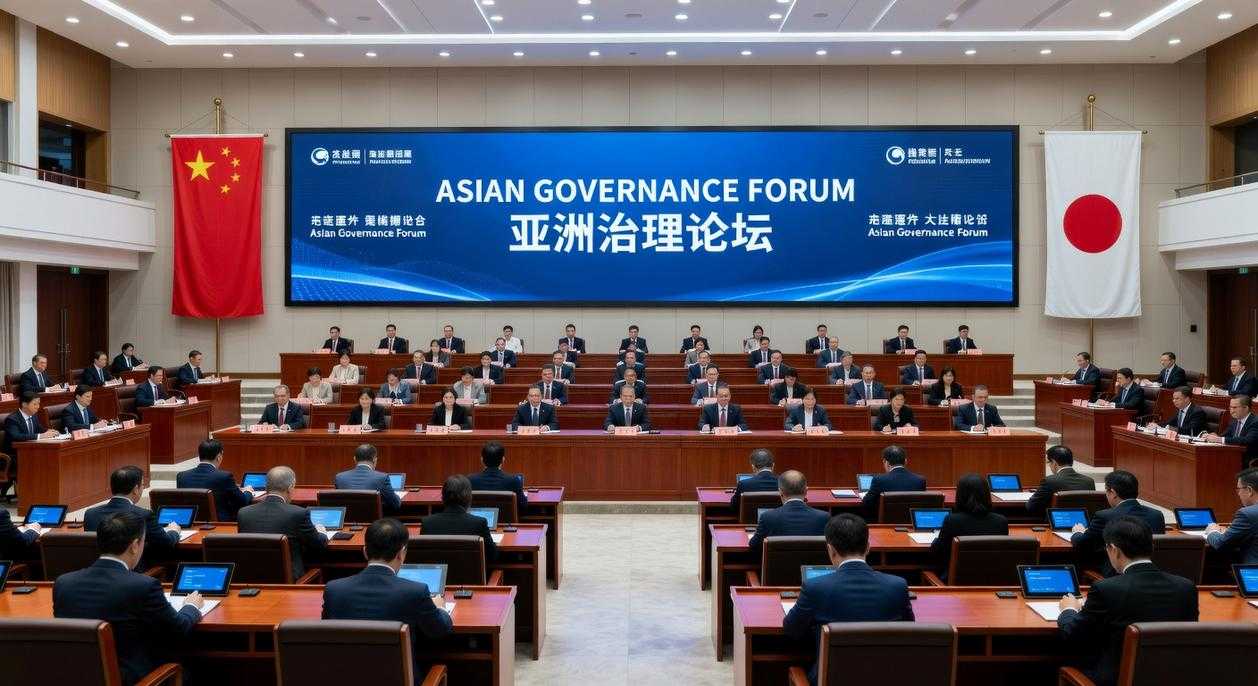
Transparency isn’t just a compliance exercise—it’s a competitive moat. In fast-moving Asian markets, timely disclosure means publishing decision-useful information (data that materially affects valuation) before rumors set the narrative. High-quality financial reporting, paired with plain‑English explanations of strategy shifts and capital allocation, reduces volatility and builds investor trust. According to the OECD, strong disclosure standards correlate with deeper capital markets and lower cost of capital (OECD Corporate Governance Factbook).
However, critics argue that too much transparency reveals strategic secrets to competitors. That concern isn’t trivial. Yet evidence from markets like Singapore and Japan suggests that structured, consistent disclosure—rather than selective opacity—actually attracts long-term institutional investors who value predictability over surprise.
Equally important is protecting minority shareholders from expropriation (the unfair transfer of value to controlling owners). Mechanisms such as cumulative voting (allowing shareholders to concentrate votes on one director) and strict oversight of related-party transactions safeguard fairness. These tools are especially relevant in asian corporate governance, where family-controlled firms remain common.
Meanwhile, shareholder activism—once rare in Asia—is rising. Constructive engagement, not defensiveness, turns activists into strategic sounding boards (think less courtroom drama, more boardroom dialogue).
Finally, digital investor relations platforms level the playing field. Real-time earnings dashboards, archived webcasts, and multilingual disclosures ensure global access.
Pro tip: Archive every investor presentation publicly—transparency compounds trust.
Best Practice #3: Integrating ESG and Proactive Risk Management
Most companies treat governance like a seatbelt—mandatory, uncomfortable, and only noticed when something goes wrong. That mindset misses the point. Effective governance is culture, not compliance. It starts at the top, where leadership models ethical decision-making until integrity becomes routine (not a quarterly talking point).
Some executives argue that heavy governance slows innovation. Fair. Too many rules can feel bureaucratic. But the counterpoint is clear: companies with strong ethical cultures outperform peers over time because trust compounds (much like interest). According to McKinsey, firms with healthy cultures see higher long-term returns and lower misconduct risk.
A formal Enterprise Risk Management (ERM) framework strengthens that culture. ERM is a structured process for identifying, assessing, and mitigating strategic, operational, and financial risks before they escalate. Think of it as corporate radar—spotting turbulence early instead of reacting mid-crisis.
Then there’s the ESG imperative—Environmental, Social, and Governance factors integrated directly into strategy. Global investors increasingly screen for ESG metrics, with sustainable funds surpassing $2.5 trillion in assets globally (Morningstar). In asian corporate governance, ESG alignment is now viewed as a competitive differentiator, not a reporting exercise.
Finally, robust anti-corruption policies and protected whistleblowing channels are non-negotiable. They prevent reputational damage and signal seriousness about accountability (pro tip: anonymous reporting systems significantly increase internal issue detection rates, per ACFE).
Governance as a Cornerstone of Sustainable Growth in Asia
This study set out to examine what truly drives long-term success across Asia’s dynamic markets. The conclusion is clear: while the region’s business landscape is shaped by distinct cultural and economic forces, the foundations of asian corporate governance remain universal—independence, transparency, and accountability.
The companies poised to lead the next decade will not treat governance as a regulatory checkbox. They will embed it into strategy, operations, and leadership decision-making. In fast-moving markets, strong governance is the stabilizing force that builds investor trust, reduces volatility, and supports sustainable expansion.
You came here to understand whether governance really matters in Asia. The evidence shows it does—more than ever.
If you want to reduce risk and capture durable returns, prioritize businesses with robust governance frameworks. Don’t leave your capital exposed to preventable failures. Align your portfolio with companies that prove accountability in action—and position yourself for smarter, more resilient growth in Asia’s evolving markets.