
The Conference Call: Listening for What Isn’t in the Report
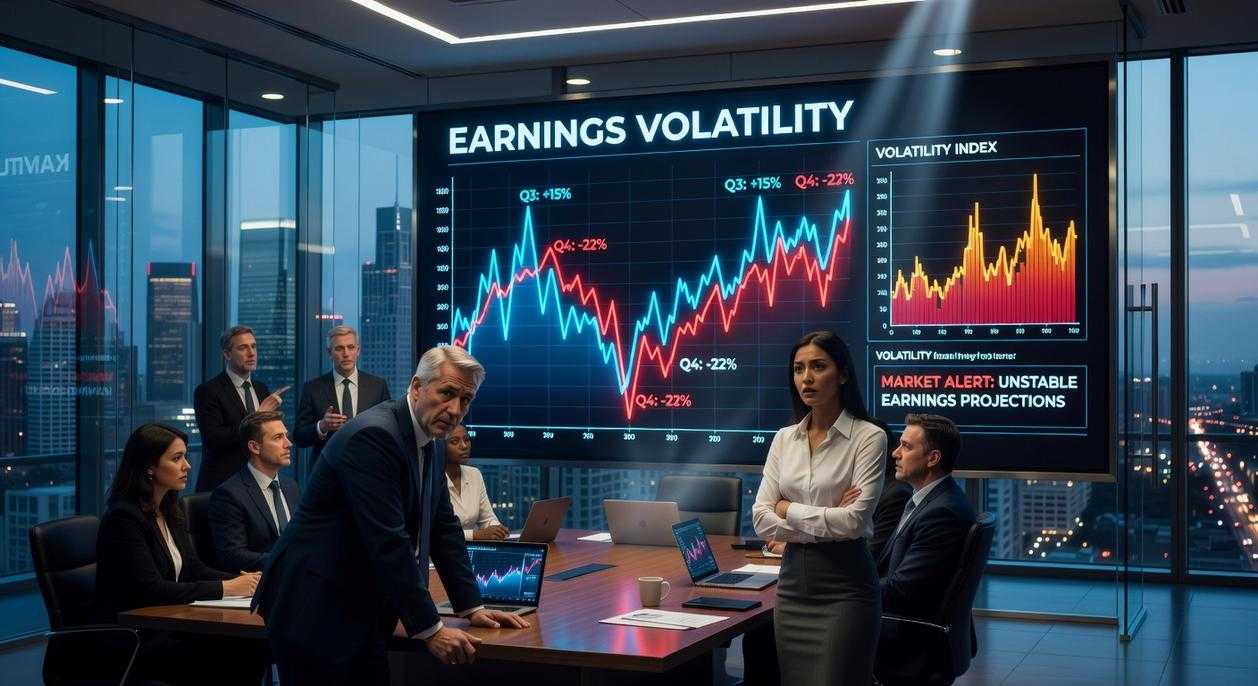
Earnings reports give you numbers. Conference calls give you nuance. And in markets shaped by earnings season volatility, nuance often moves prices faster than spreadsheets do.
Gauging Management’s Tone
Start with tone. When the CEO or CFO answers a tough question, do they respond directly—or pivot to safe talking points? Confidence sounds specific. Evasion sounds vague. If a company claims “strong underlying demand” but can’t explain margin pressure clearly, that’s worth noting.
To be clear, some executives simply aren’t polished speakers. However, consistent defensiveness or hesitation can signal deeper operational strain (Harvard Business Review has highlighted how linguistic cues often reflect managerial confidence).
Focus on the Analyst Q&A
Next, pay close attention to the analyst Q&A. Analysts represent institutional concerns. If multiple questions hammer on cash flow or guidance cuts, that’s the market telling you where the real anxiety lies.
Pro tip: Track which questions get the longest, most detailed answers—and which get brushed aside.
Identifying Key Language
Finally, listen for word choice. Frequent use of terms like “challenging” or “unprecedented” may suggest headwinds, while “momentum” and “opportunity” imply forward confidence. This qualitative data—non-numerical insights drawn from language patterns—can be a powerful signal (research in financial linguistics, such as studies published in The Accounting Review, supports this).
In short, don’t just read the report. Listen between the lines.
From Reactive Trader to Proactive Investor
Markets move fast. Headlines move faster. And during earnings season volatility, prices can swing wildly before most investors have time to think.
You came here looking for a better way to navigate the chaos of quarterly financial reports. Now you have a clear framework to do exactly that—with discipline, structure, and confidence.
The truth is simple: the market’s first reaction is rarely the full story. Acting on impulse during sharp swings is often a recipe for poor returns. Emotional trades replace thoughtful strategy. Short-term noise drowns out long-term opportunity.
The edge comes from focusing on what actually matters—business fundamentals, cash flow strength, competitive positioning, and long-term strategy. When you anchor your decisions to these signals, you stop chasing reactions and start identifying real value.
Before the next earnings cycle begins, apply this checklist to one company in your portfolio. Shift from reacting to headlines to executing a proactive wealth-building plan—and take control of your long-term financial future today.

 Zyvaris Grendall writes the kind of global investment strategies content that people actually send to each other. Not because it's flashy or controversial, but because it's the sort of thing where you read it and immediately think of three people who need to see it. Zyvaris has a talent for identifying the questions that a lot of people have but haven't quite figured out how to articulate yet — and then answering them properly.
They covers a lot of ground: Global Investment Strategies, FT-Focused Economic Trends, Finance Planning Techniques, and plenty of adjacent territory that doesn't always get treated with the same seriousness. The consistency across all of it is a certain kind of respect for the reader. Zyvaris doesn't assume people are stupid, and they doesn't assume they know everything either. They writes for someone who is genuinely trying to figure something out — because that's usually who's actually reading. That assumption shapes everything from how they structures an explanation to how much background they includes before getting to the point.
Beyond the practical stuff, there's something in Zyvaris's writing that reflects a real investment in the subject — not performed enthusiasm, but the kind of sustained interest that produces insight over time. They has been paying attention to global investment strategies long enough that they notices things a more casual observer would miss. That depth shows up in the work in ways that are hard to fake.
Zyvaris Grendall writes the kind of global investment strategies content that people actually send to each other. Not because it's flashy or controversial, but because it's the sort of thing where you read it and immediately think of three people who need to see it. Zyvaris has a talent for identifying the questions that a lot of people have but haven't quite figured out how to articulate yet — and then answering them properly.
They covers a lot of ground: Global Investment Strategies, FT-Focused Economic Trends, Finance Planning Techniques, and plenty of adjacent territory that doesn't always get treated with the same seriousness. The consistency across all of it is a certain kind of respect for the reader. Zyvaris doesn't assume people are stupid, and they doesn't assume they know everything either. They writes for someone who is genuinely trying to figure something out — because that's usually who's actually reading. That assumption shapes everything from how they structures an explanation to how much background they includes before getting to the point.
Beyond the practical stuff, there's something in Zyvaris's writing that reflects a real investment in the subject — not performed enthusiasm, but the kind of sustained interest that produces insight over time. They has been paying attention to global investment strategies long enough that they notices things a more casual observer would miss. That depth shows up in the work in ways that are hard to fake.